




From Chorus Frogs to Bald Eagles
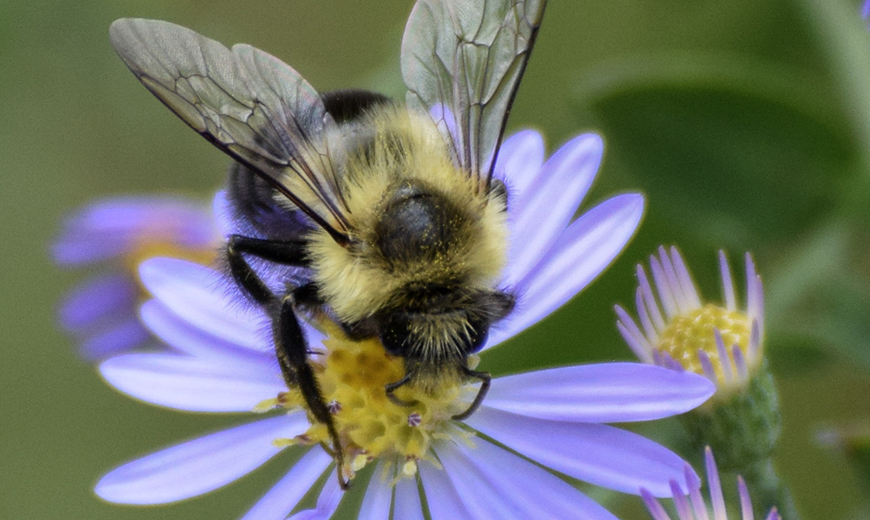
Spring Wildlife Thrives in St. Charles Parks
Taking a springtime stroll through the trails in St. Charles offers moments of serenity and great wildlife sightings, like catching an egret fishing for its lunch or listening to a serenade from chorus frogs.
Within the St. Charles Park District community, it’s possible to visit wetlands, woods and prairies all in a short drive, or visit all three habitats at the Hickory Knolls Natural Area, explained Chris Gingrich, Assistant Superintendent of Outdoor Education for the St. Charles Park District.
“For a wetland habitat you can visit Ferson Creek Fen or Otter Creek Bend Wetland Park, or if you want more of a woodland habitat there’s Delnor Woods Park,” Gingrich said. “If you hike through Hickory Knolls you can experience all three.”
Beyond the sports fields, camps and classes, the park district’s dedicated naturalist team oversees the care of more than 400 acres of natural areas. Their multi-year efforts show in the number of wildlife that one can discover on site, including birds, reptiles, and mammals.
“For example, amphibians are considered an indicator of the quality of a wetland habitat because they’re very sensitive to negative changes in their habitat,” Gingrich said.
Naturalists have diligently worked on restorations in the natural areas, removing invasive species and helping restore native plantings.
“When the native plant communities are healthy and thriving, you support insects and other wildlife, all the way up the food chain,” Gingrich said.
This time of year when the spring peepers and chorus frogs emerge and begin their mating calls, a visit to the wetlands at Otter Creek includes a loud musical serenade from these small creatures.
“I love to go stand in the open space and take it all in,” Gingrich said, adding it is hard to see the frogs, but visitors can use their ears to locate the small amphibians. “One of my favorite areas for hearing the frogs is the trail between what we call the pothole wetlands at Hickory Knolls Natural Area.”
Knowing where to go to see frogs, birds and beavers is even easier thanks to the educational webpage – stcnature.org/natural-areas. It features a listing of popular areas with descriptions on wetlands, woods and prairies and the wildlife one often finds in the areas. Additionally, there’s signage along the trails to enhance visitor experiences, Gingrich said.
For bird watching, St. Charles is home to a variety of birds like the red-bellied woodpecker, Coopers Hawk and woodcocks. Some lucky visitors have seen a bald eagle at Ferson Creek Fen. There are those winged wonders that migrate through the year and those that nest high up in the branches or along the water’s banks.
“A good pair of binoculars will help you see from a distance,” Gingrich said, adding that in the spring many nesting birds won’t want visitors getting too close.
In the wetland waters visitors can see green herons, blue herons, egrets as well as ducks. At Otter Creek there is a new, recently completed boardwalk that gives visitors a closer look out over the creek, Gingrich said.
The Hickory Knolls Natural Area encompasses more than 123 acres, adjacent to Hickory Knolls Discovery Center off Campton Hills Road. There are more than three miles of trails that travel through a diverse landscape including a glacial pothole wetland, woodlands and prairies. Visitors have been able to see an array of birds including the red-tailed hawk and even see a whitetail deer.
“Just remember to dress for the weather, it can be wet and even sloshy during the spring,” Gingrich said.
And early in the season is a great time to view the spring ephemerals, the first flowering blooms in the natural areas, which are an important food source for the early emerging insects. The St. Charles Park District invites residents to participate in the iNaturalist program through May 31 to help document sightings throughout the county. Details on the project can be found online at stcnature.org. Signs identifying ephemeral species are posted at Delnor Woods, but these flowers can be spotted in other parks as well.
For those ready to explore, the St. Charles Park District’s natural areas offer an opportunity to slow down, look a little closer and reconnect with the rhythms of the season. Each visit brings something new to experience. Visitors are encouraged to lace up their walking shoes, bring their curiosity and discover the beauty waiting right here in St. Charles.